
Steppic region
The Steppic Biogeographic Region is a biogeographic region of Europe, as defined by the European Environment Agency .
The Steppic region covers part of Romania, Moldova, Ukraine, Russia and western Kazakhstan, and extends further west into Asia. It has low-lying plains and rolling hills or plateaus with an average elevation of 200–300 metres (660–980 ft)
The natural vegetation is mostly grasses such as Elymus repens (couch grass), Stipa (feather grass) and Festuca (fescue), among which are scattered herbaceous plants such as Potentilla (cinquefoil), Verbascum (mullein and Artemisia (wormwood). The humus-rich soils are very fertile, and much of the region has been converted to cultivated land, with few remaining pockets of the original vegetation.
Romania has the only part of the Steppic Region in the European Union. This is a small intensively farmed area. The list of Natura 2000 sites in region was adopted in December 2008, with 34 Sites of Community Importance under the Habitats Directive and 40 Special Protection Areas under the Birds Directive. Some sites are in both categories. Together they cover about 20% of the land in the Romanian part of the region.

Romania
Partner responsible: League of the Romanian Agricultural Producers Associations (LAPAR)
Country Leader: Liliana Piron
Contact: info@lapar.org
Experimental unit
The arable (A) fields are both located in the in south-eastern Romania: Bărăgan Plain (B) – 44°50′28″N 27°20′22″E, and Dobrogea region, crossed by the Danube river (D) – 45°24′18″N 28°03′19″E.
The 3 farms with perennial crop – vineyards (V) are located also in Dobrogea, around 65 km from the Black Sea seaside.
Pedoclimatic conditions
Type of soil: Chernozem (B) (V), Aluviosol (D), Regosol (V), Lithosol (V)
Mean annual T: 11 °C (B), 111, °C (D), 11,1 °C (V)
Mean annual P: 450 mm (B), 440 mm (D), 425 mm (V)
Key figures
Farming systems: 4 Conventional (A, V), 1 Organic (V), 1 Mixed (V)
Crops: Arable (A) – barley, rapeseed, soybean. Perennial – vineyard (V).
Crop Link groups: 2
Co-creating workshop: 2
Co-validation workshops: 4
Ukraine
Partner responsible: Polissia National University (PNU)
Country Leader: Tetiana Fedoniuk
Contact: tanyavasiluk2015@gmail.com
Experimental unit
The experimental field is in the northern part of Ukraine (N 50°31′; E 28°51), on agricultural lands “Dunaiskyi Ahrarii” LLC on the territory Safyanivska community, Izmail district, Odesa region. In total, the enterprise has 2,000 hectares. The experimental field is located 28 m above sea level on Phaeozems. The average temperature for the multiyear April-August is 14,3 C, and precipitation is 198 mm. ln this location, a field experiment is carried out with organic cultivation of winter cereals and sunflower.0
Pedoclimatic conditions
Type of soil: Chernozems, Cambisols, and Kastanozems
Mean annual T: 10.9 °C
Mean annual P: 453 mm
Key figures
Farming systems: 1 organic
Crops: Winter cereals and sunflower
Crop Link groups: 1
Co-creating workshop: 1
Co-validation workshops: 1
Interviews
Gallery







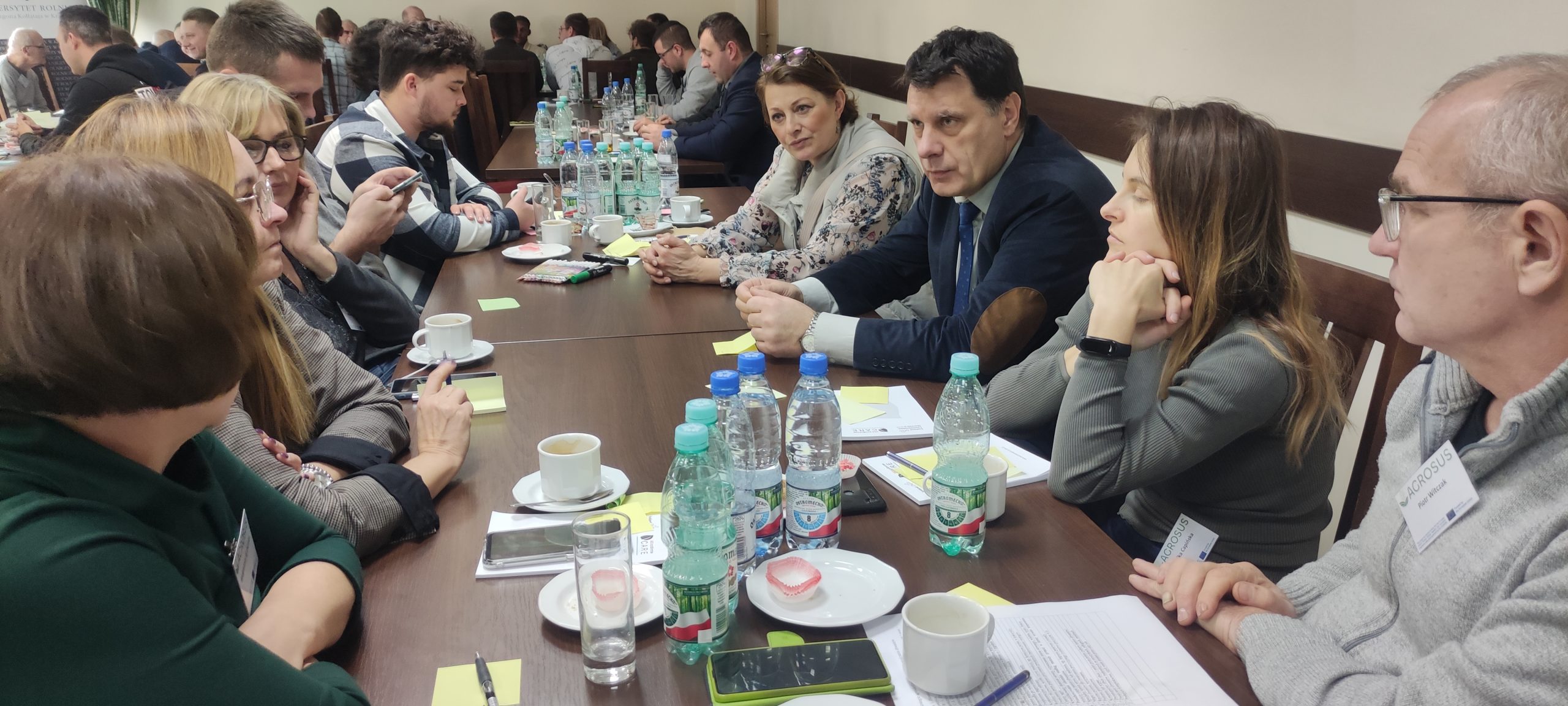


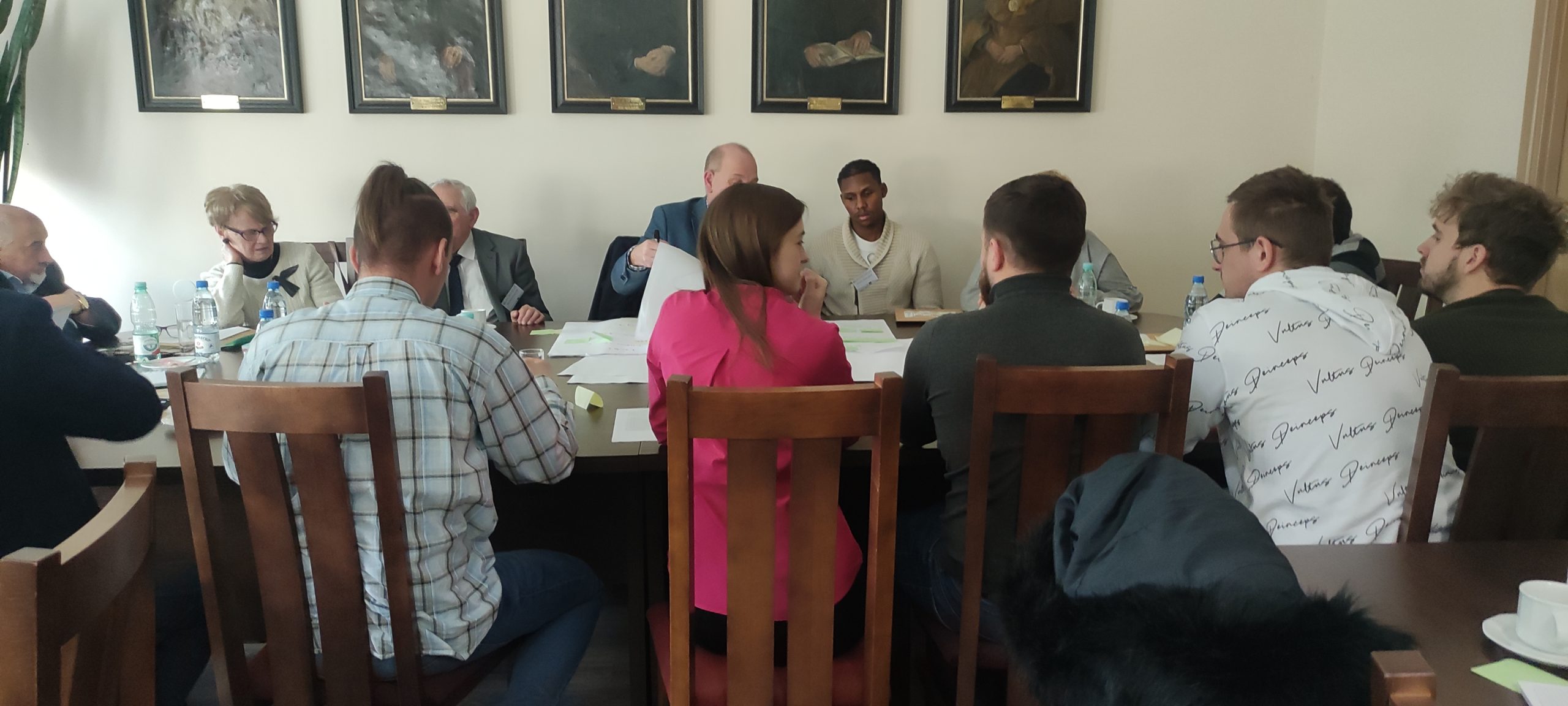


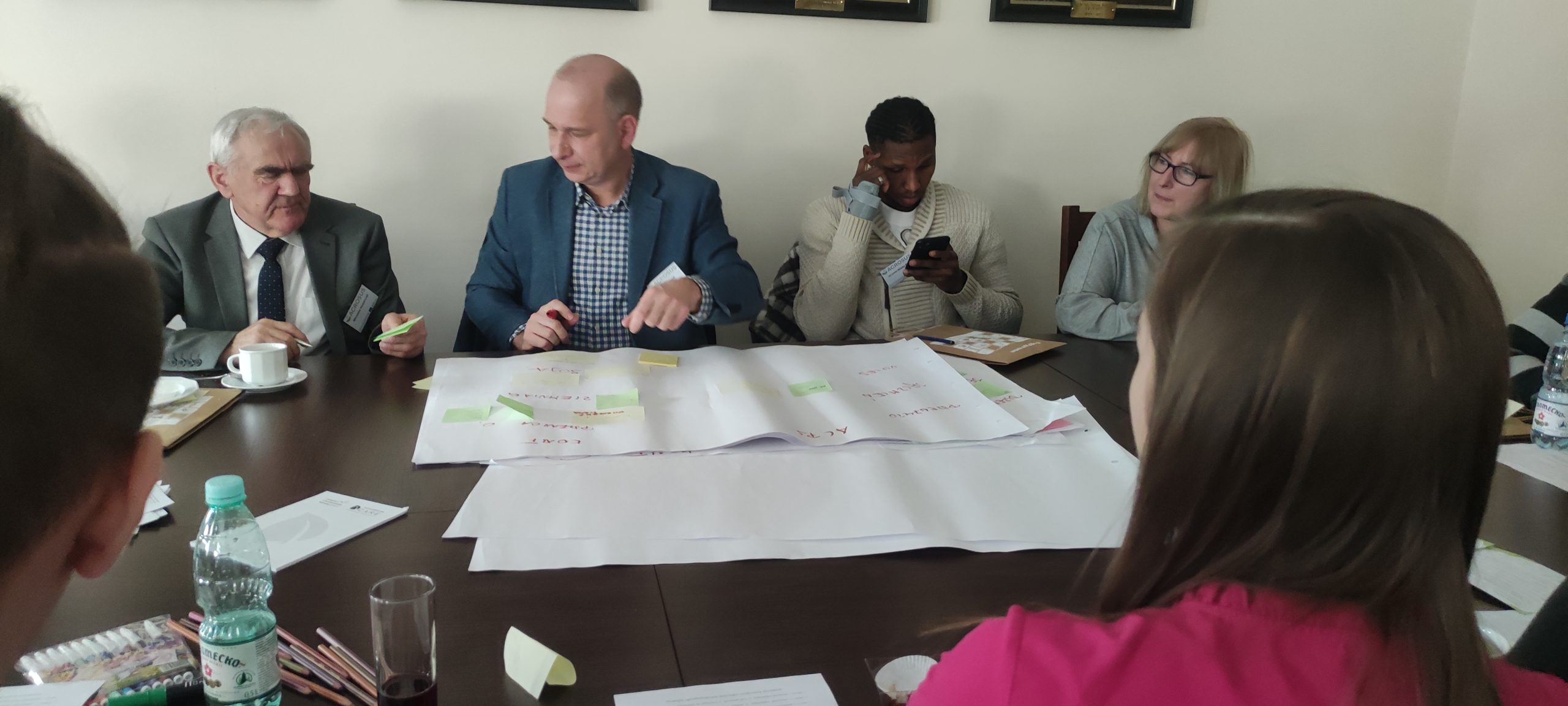

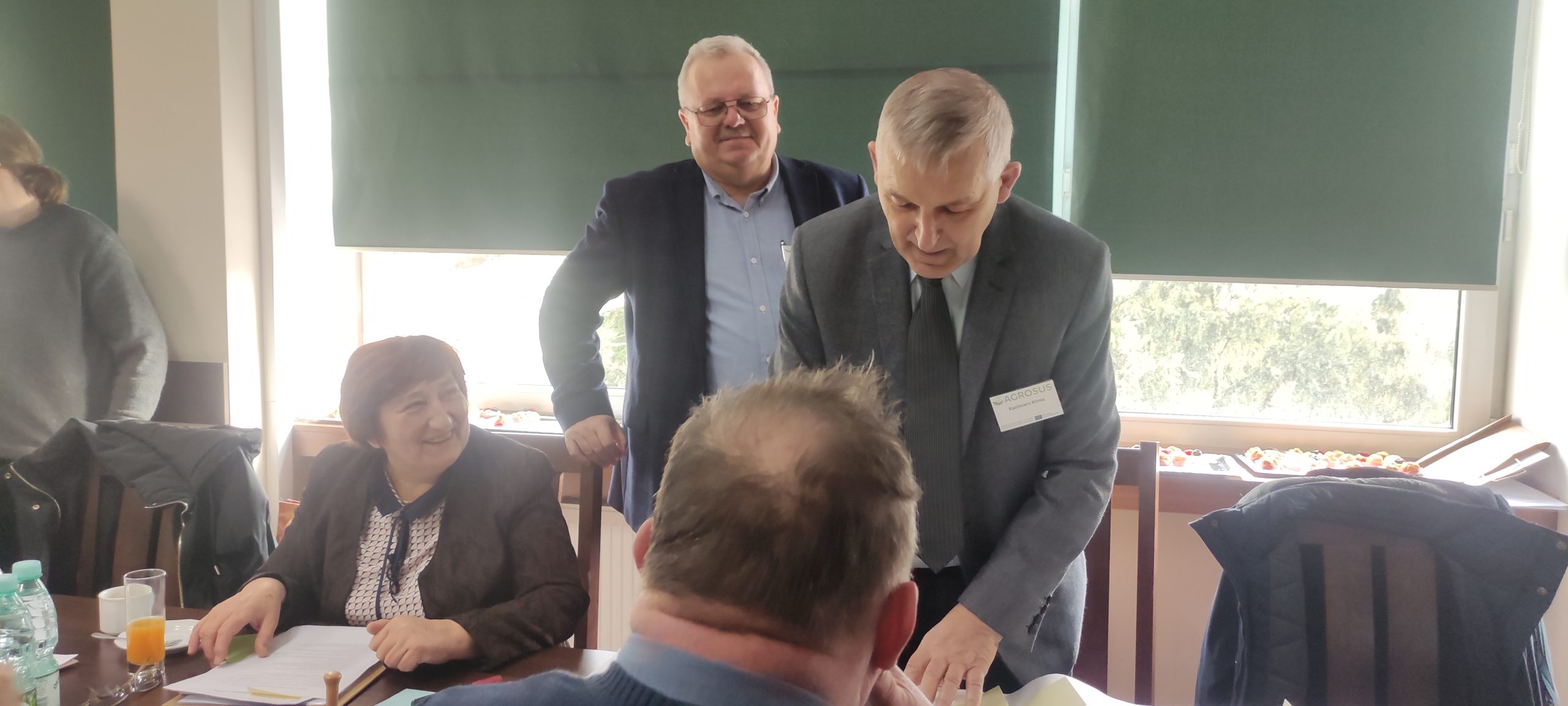
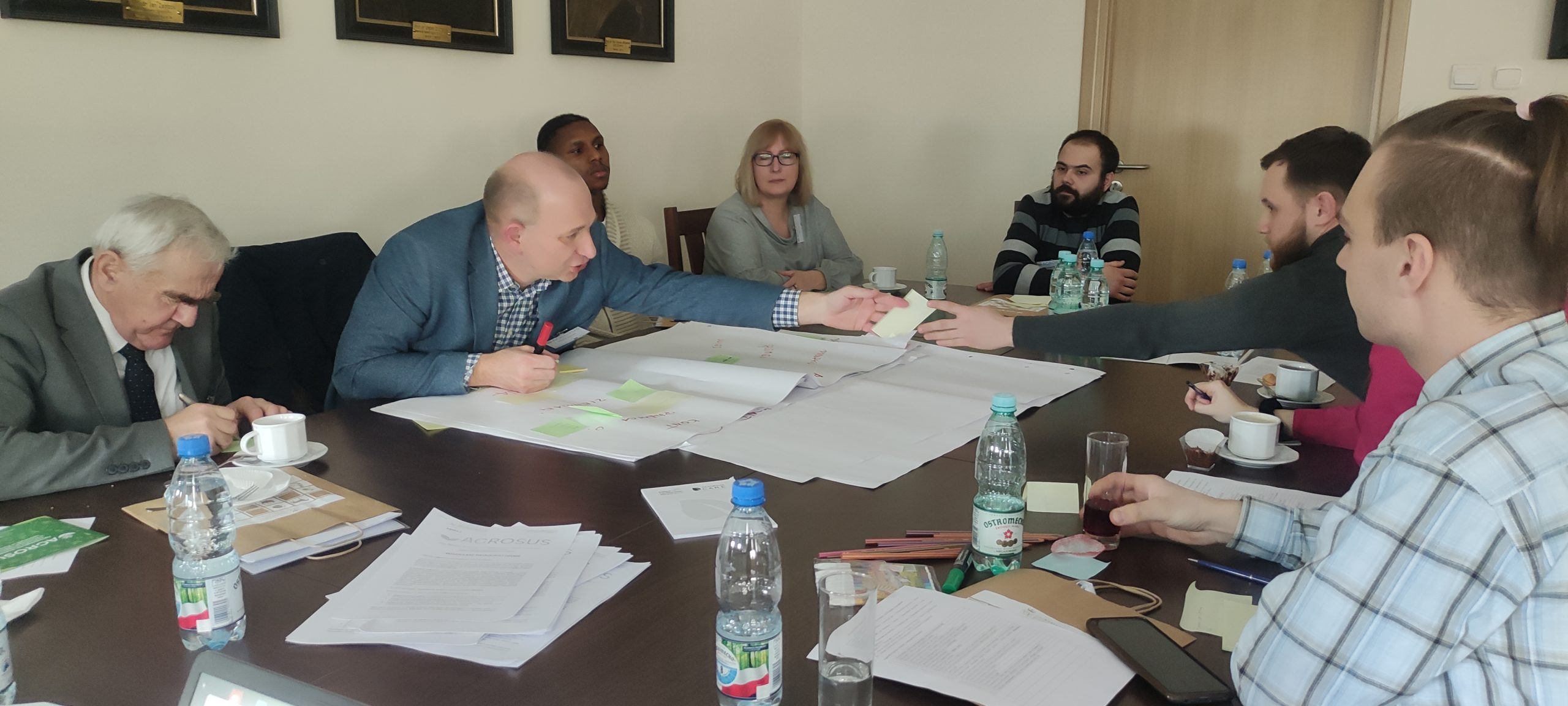
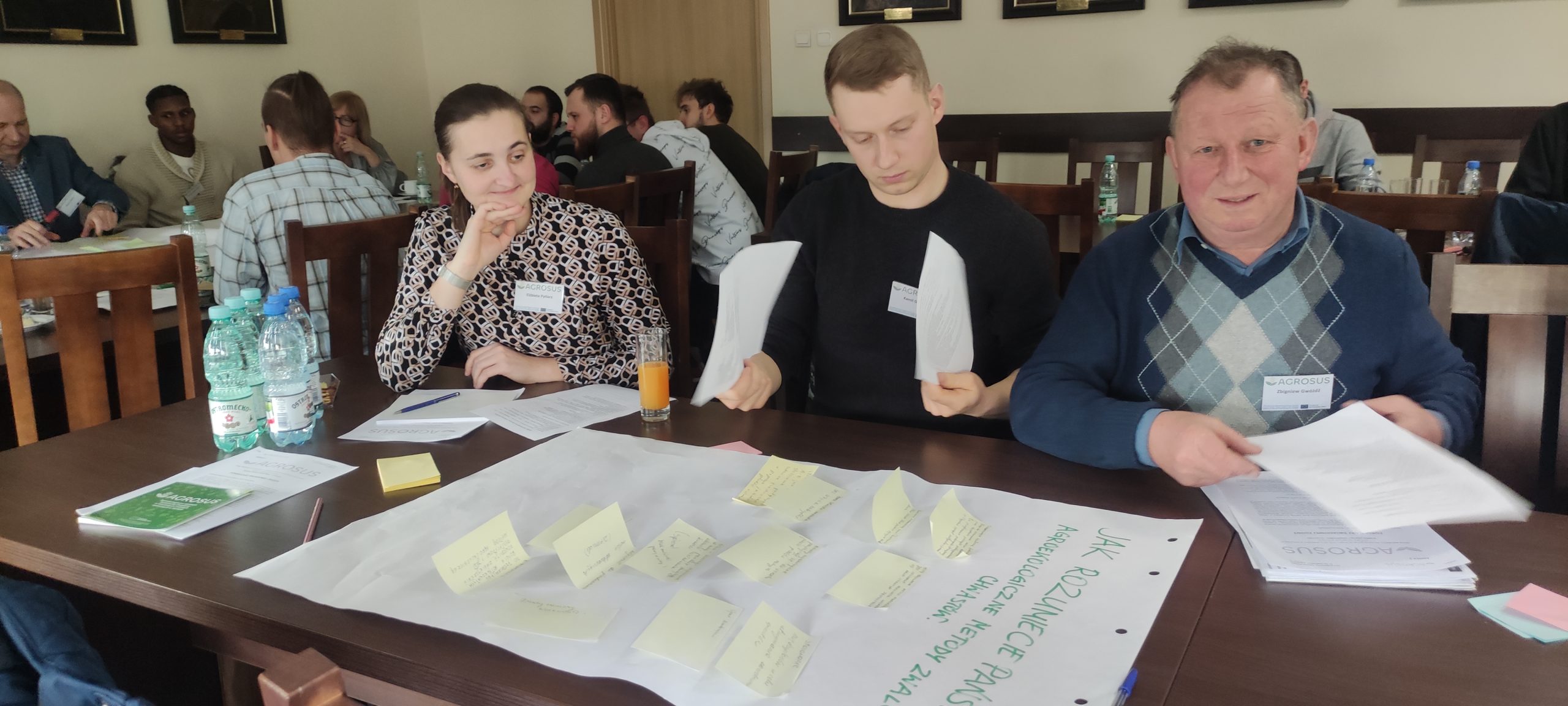

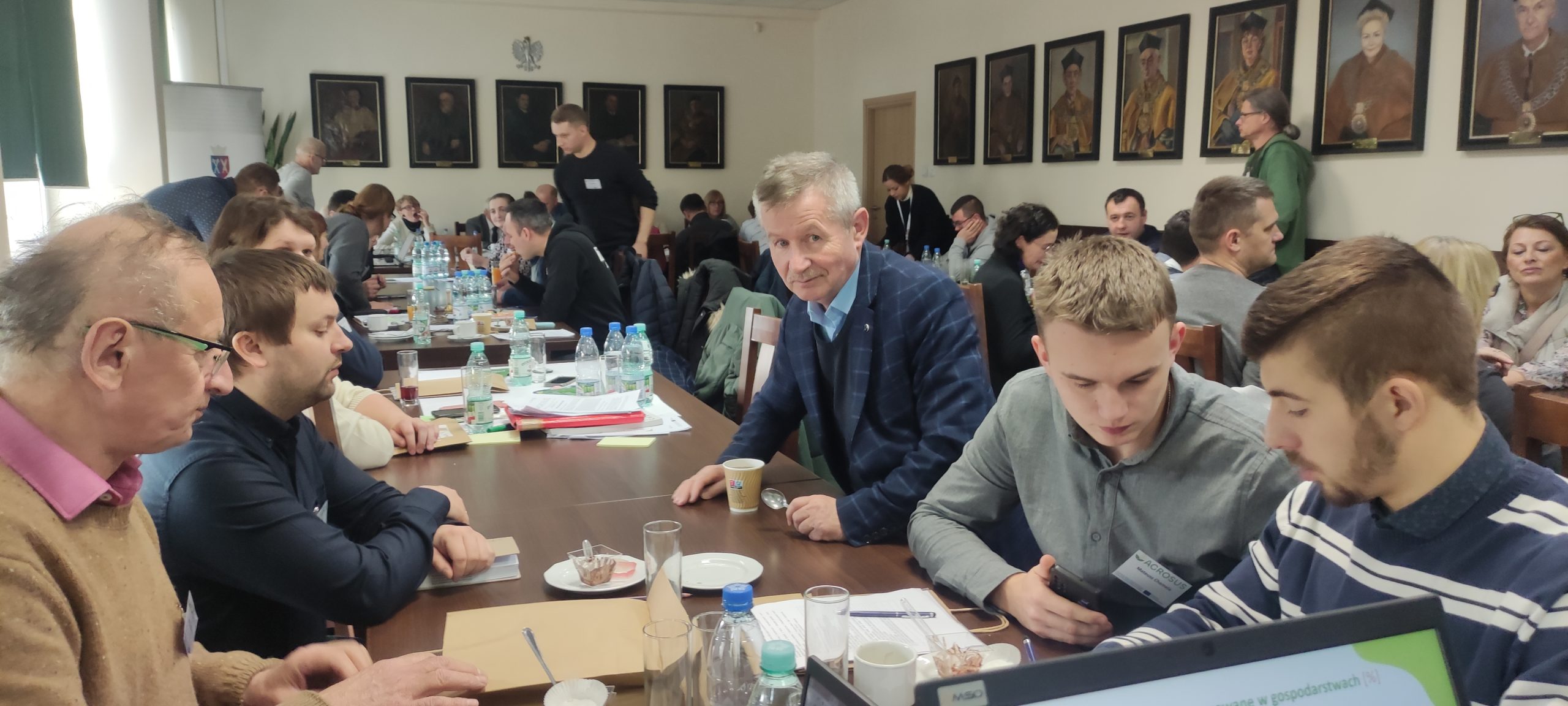
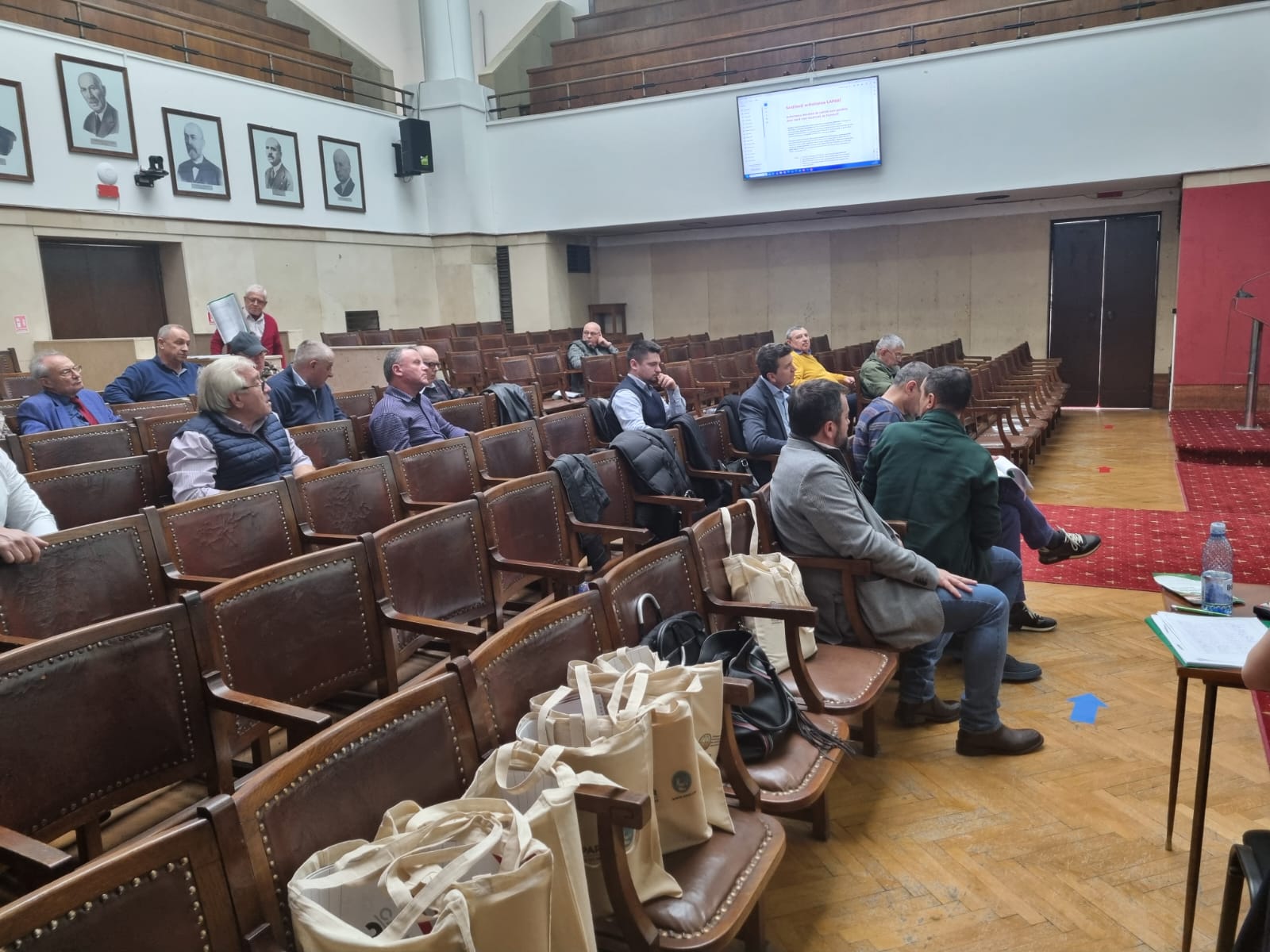


News related
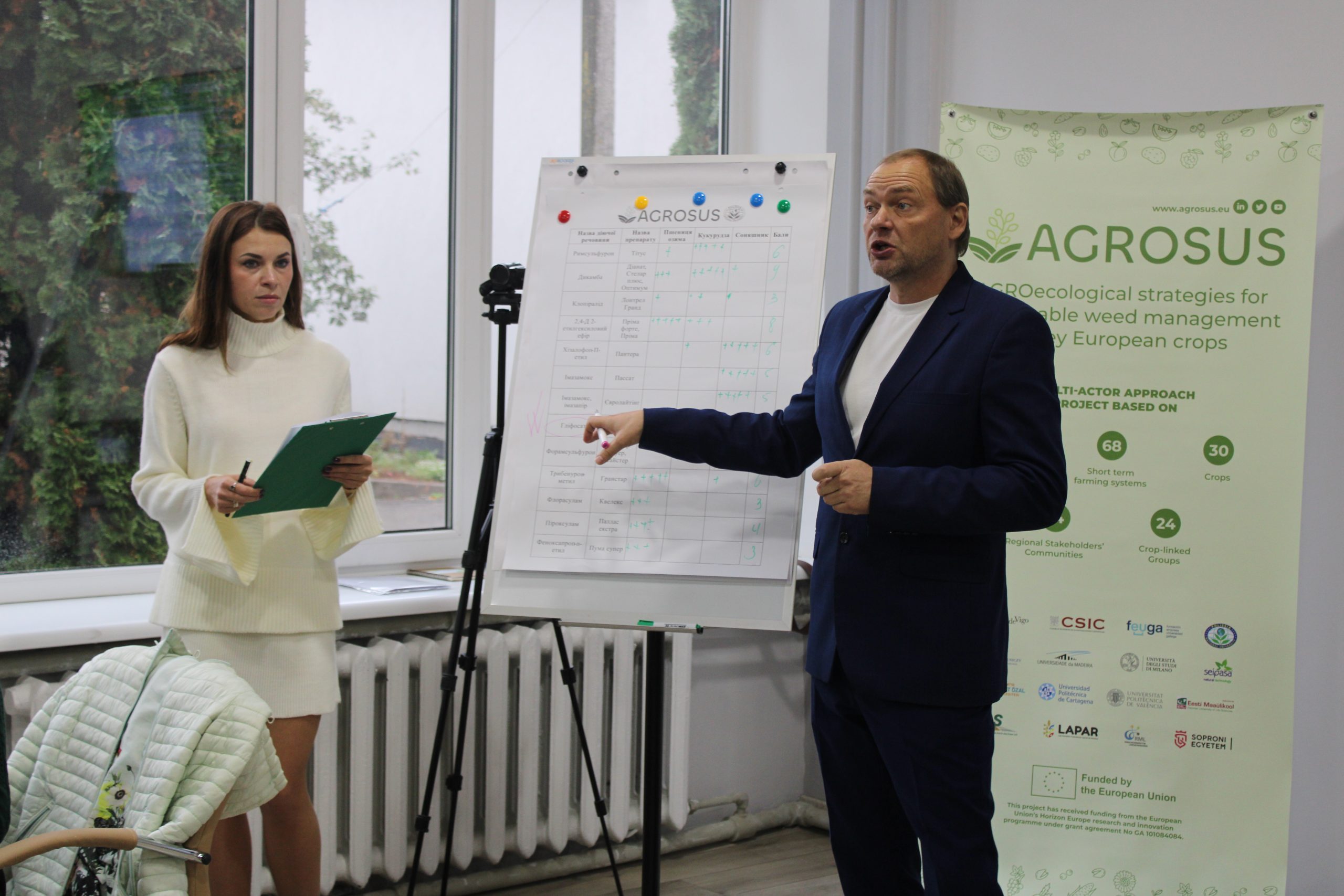
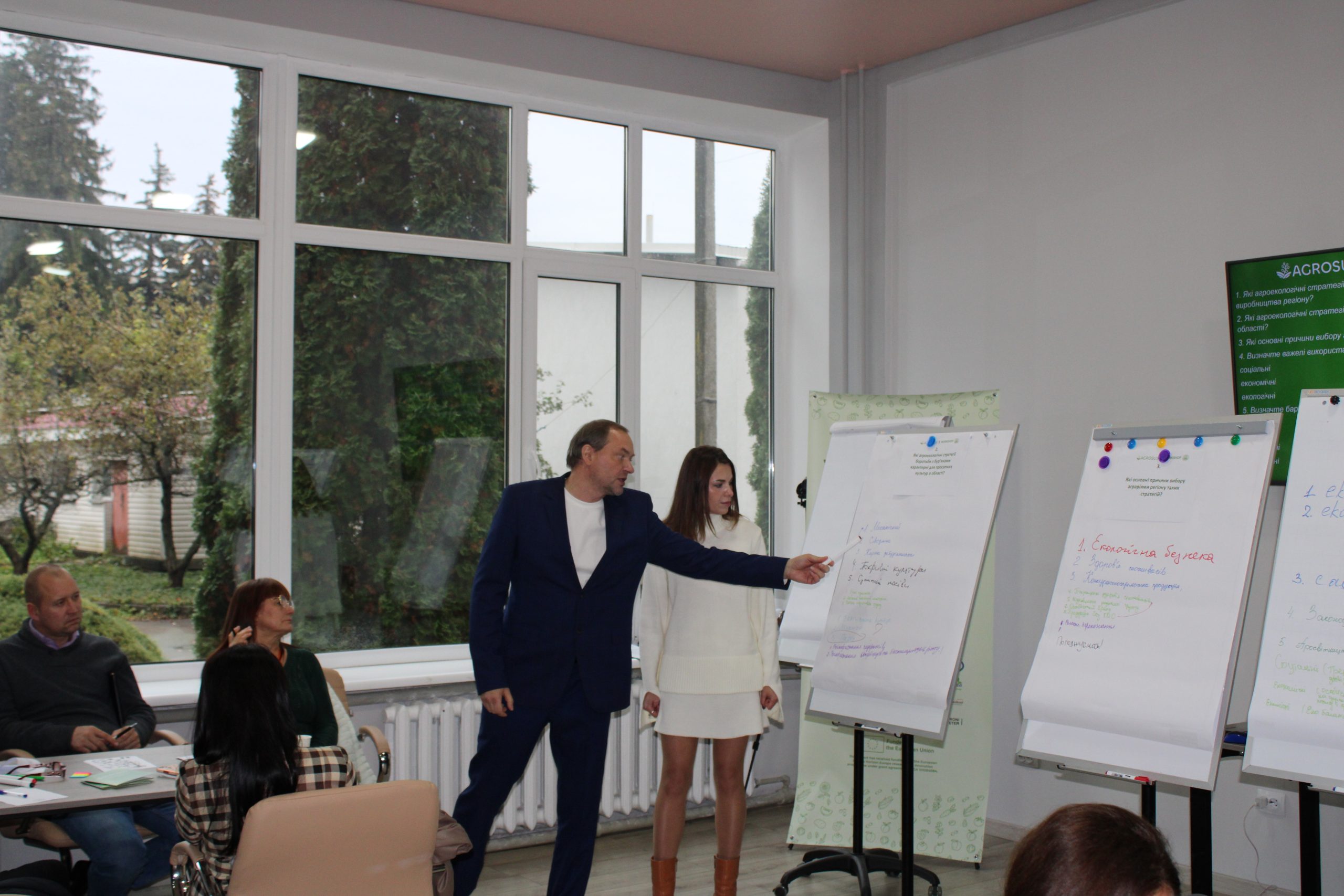
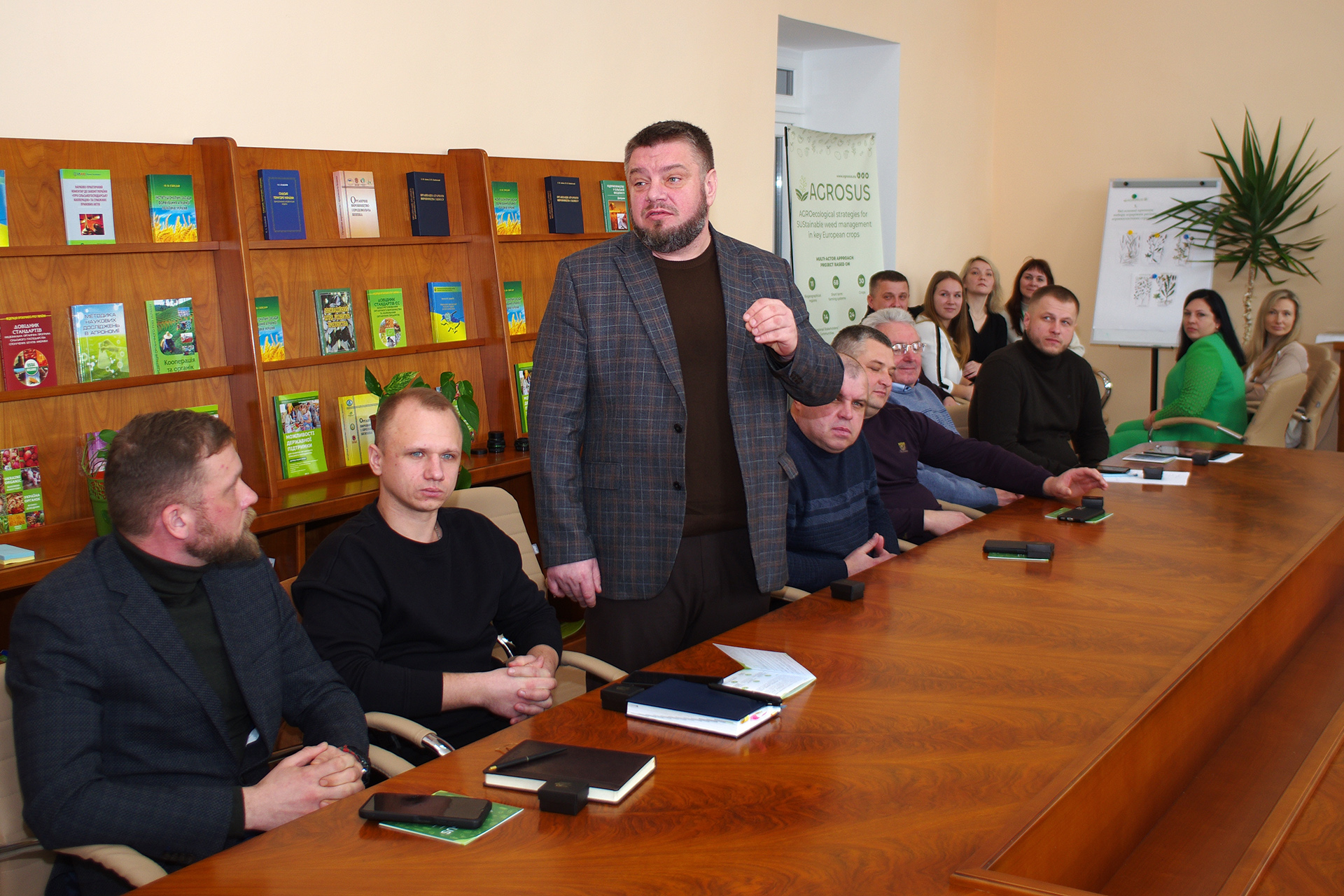
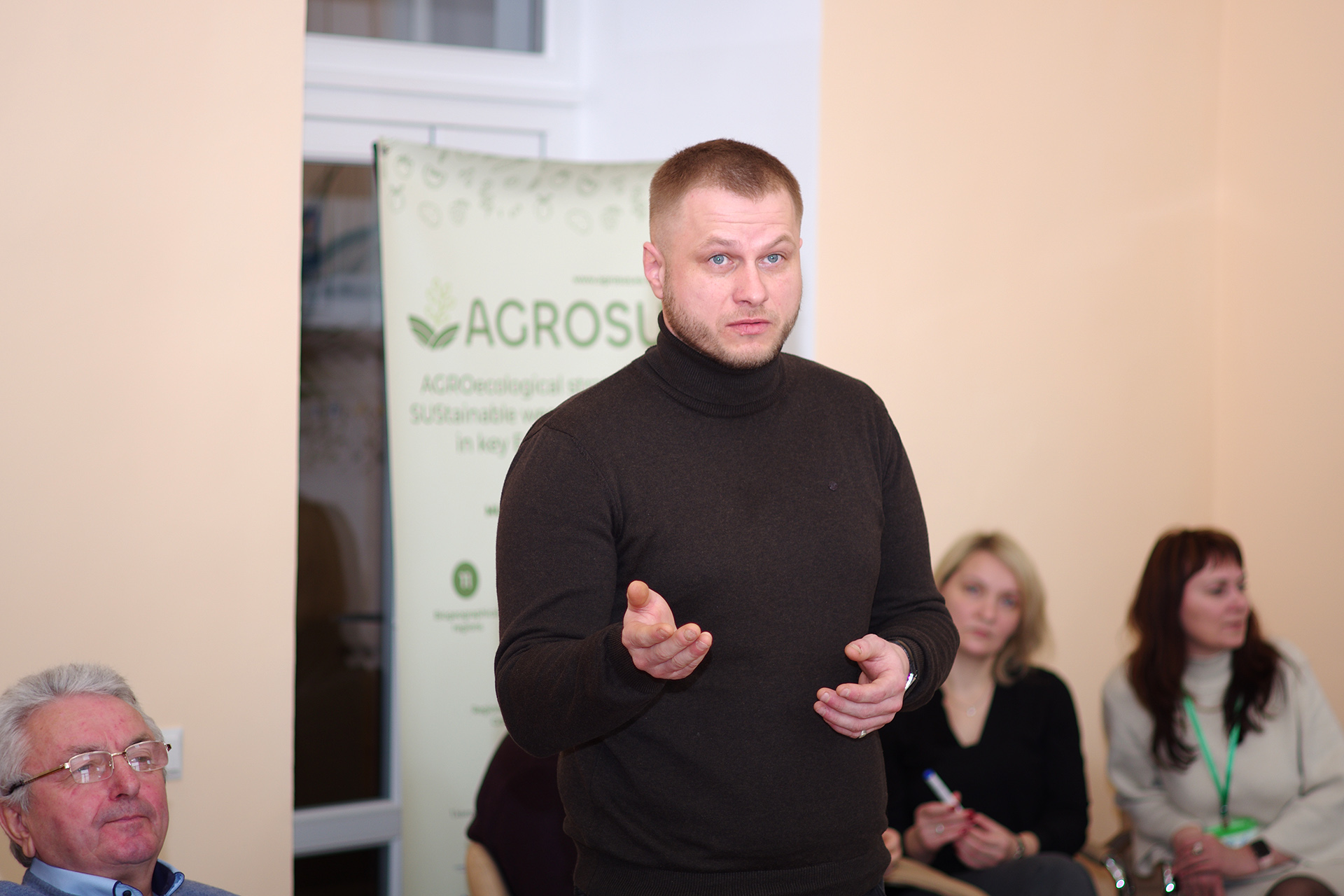
Steppic co-creation workshop in Ukraine
On 20 December last year, a dynamic regional workshop was held in Ukraine, led by Tetiana Fedoniuk and focused on the Steppic bioregion. The workshop brought together a diverse range of experts and stakeholders, including farmers, scientists, government...
Discover the highlights of our co-creation workshop in Romania
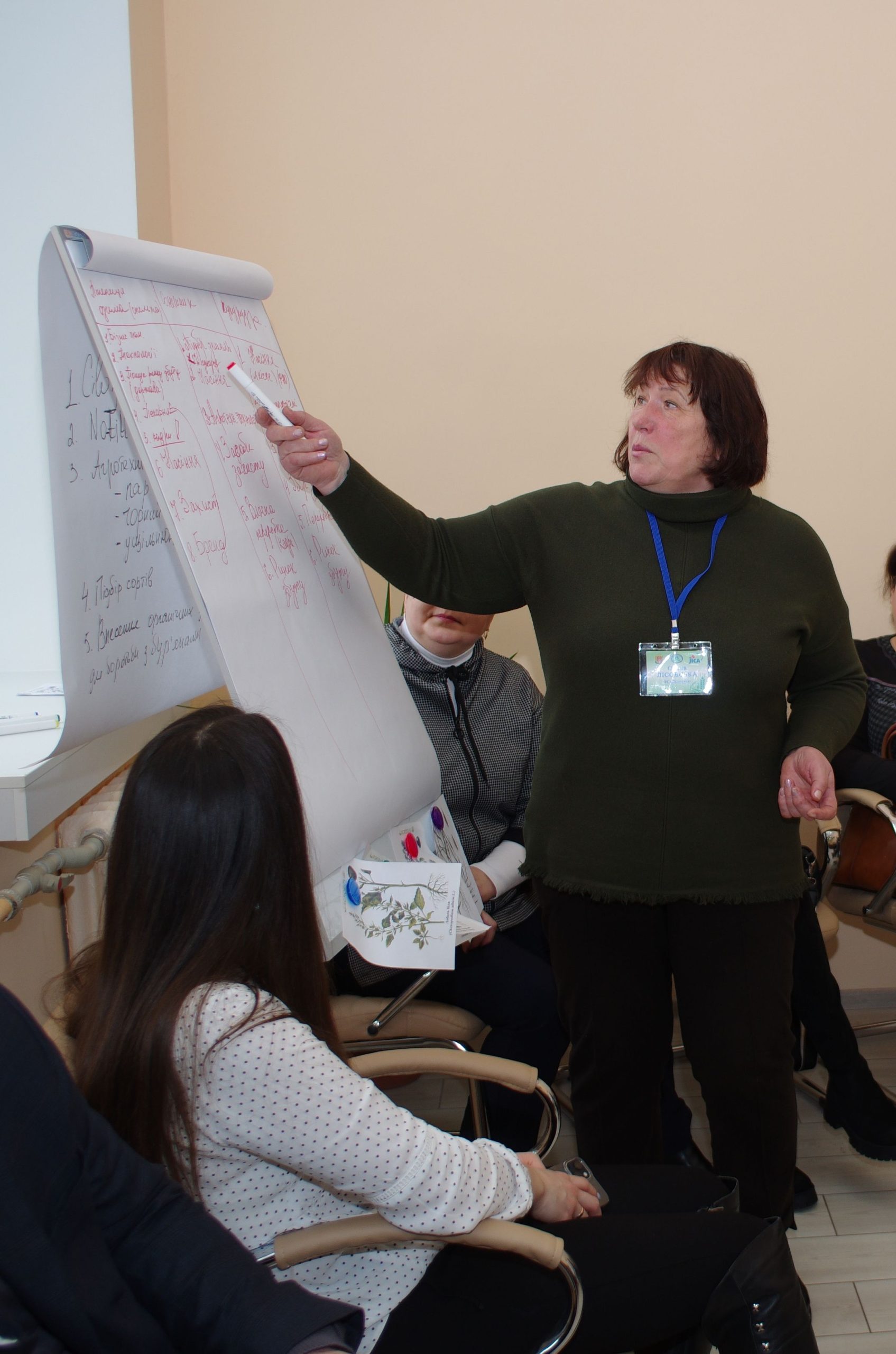
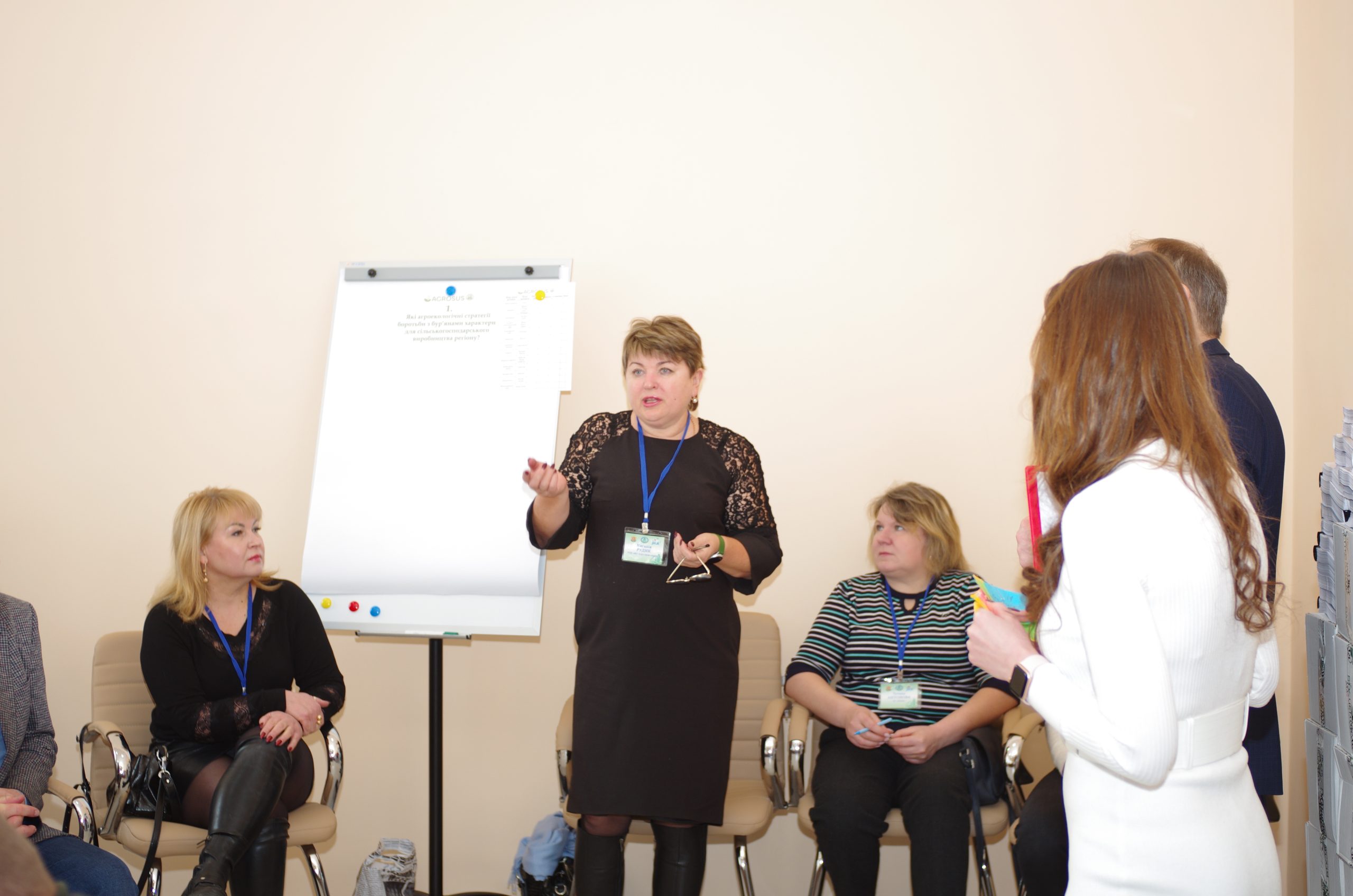
On 15 February, our Romanian partners from the League of Romanian Agricultural Producers Associations (LAPAR) held a co-creation workshop of the Steppic Bioregion
The Co-creation Workshop lands in Poland
The event took place at the University of Agriculture in Krakow on January 22. The workshop was led by Agnieszka Synowiec and Marta Czekaj. It was attended by 58 participants, including 32 farmers, 13 scientists and 13 advisors (which included agricultural consultants...

AGROSUS launch a survey for farmers across the 11 biogeographical regions to select the best agroecological strategies
AGROSUS (AGRoecological strategies for SUStainable weed management in key European crops) is a four-year transdisciplinary research project. The project aims to identify appropriate tools and agroecological strategies to prevent and manage weeds in relevant crops, in...
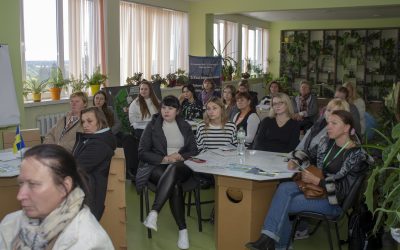
AGROSUS Empowers Female Farmers at Polissia National University
Last 9th October marked a significant milestone at Polissia National University in Ukraine as it was launched a pioneering pilot project aimed at training female farmers. This initiative aligns closely with the core mission of AGROSUS. On this pivotal day, we embarked...